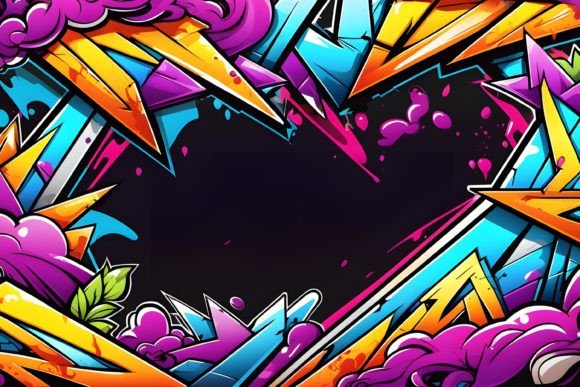
Transform Your Projects with the Graffiti Background Bundle
There's a specific energy that comes with urban art—it's raw, expressive, and impossible to ignore. When you're working on a design project that needs to capture that street-level authenticity, generic textures often fall flat. They lack the grit and the personality of actual wall art. This is where a dedicated resource like the Graffiti Background bundle becomes essential. It’s not just a pattern; it’s a complete environment that brings the vibe of the city into your digital or physical workspace.
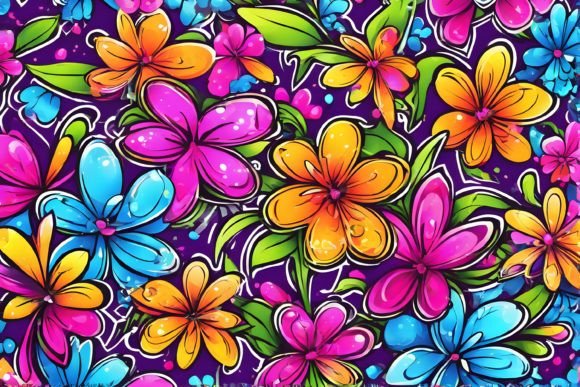
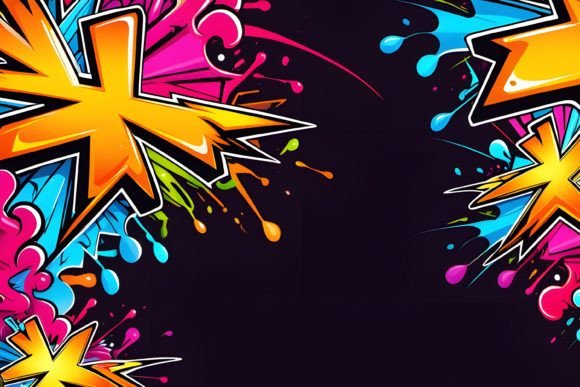
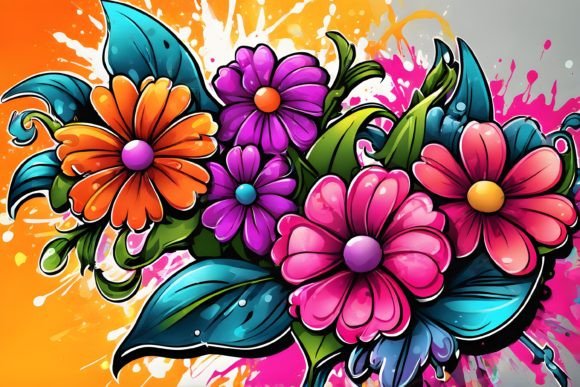
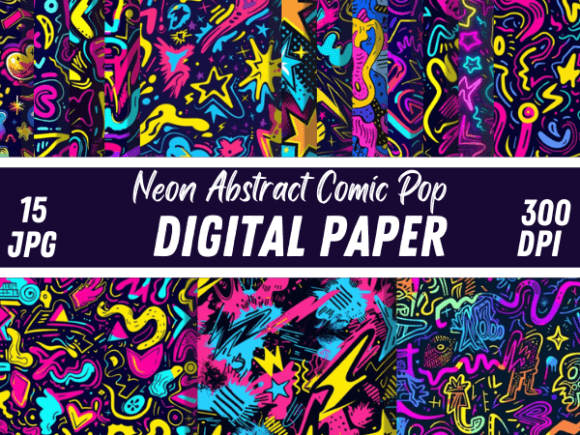
The visual characteristics of this collection are defined by high contrast and rich saturation. We are talking about a resolution of 3000x2000 pixels at 300 DPI. In practical terms, this means you aren't limited to screen use. You can blow these designs up for wall stickers or high-quality prints without losing the sharpness of the tags or the blending of the spray paint. The RGB color profile ensures the hues pop on screens, which is vital for social media graphics and web design, but the file details also support conversion for CMYK printing projects.
Authenticity in Modern Typography and Texture
As a designer or creative professional, you know that context is everything. Using a graffiti font for a logo is one thing, but placing it against a sterile, white background can sometimes feel disjointed. A true graffiti border or background provides the necessary context. It simulates the surface that street art was meant for—concrete, brick, or weathered metal. This texture adds a layer of realism to your modern typography. When you pair a bold display font or a handwritten font with these backgrounds, the letters don't just sit on top of the design; they become part of the environment.
The appeal here lies in the versatility of the "street art" style. It ranges from intricate, colorful murals to gritty, monochromatic tags. This variety allows you to control the mood of your project. Need something vibrant and energetic for a youth-oriented brand? Use the colorful abstract pieces. Working on a gritty, urban thriller book cover or a heavy metal band poster? The darker, more textured backgrounds provide that immediate brand identity without needing complex filters.
Practical Applications for Branding and Marketing
Let's move past the canvas and talk about application. Where does a Graffiti Background actually work best? The answer lies in the physical and digital products that target demographics between 20 and 50 who appreciate urban culture.
- Apparel and Merchandise: This is perhaps the most natural fit. The high resolution is critical here. When you are designing a T-shirt, hoodie, or jersey, the background texture needs to withstand the scrutiny of fabric printing. These files serve as the perfect backdrop for typography-based apparel designs, ensuring the "print" look feels authentic rather than digitally manufactured.
- Packaging and Print: Think about packaging design for streetwear brands, sneaker boxes, or even a bold shopping bag or tote bag. The texture adds perceived value. It tells the customer that the brand understands the culture. The same applies to notebook covers, mugs, and wrapping paper. It turns an everyday object into a statement piece.
- Interior and Environmental Design: The files are scaled for wall stickers and interior decoration. If you are a graphic designer working with a local restaurant, studio, or sports club, you can use these backgrounds to mock up wall art or even produce the final decals. It brings a "city street art" feel to a physical space without the legal risks of painting on actual brick.
- Digital Presence: For social media content, attention spans are short. A vibrant graffiti texture stops the scroll. It works exceptionally well for Instagram stories, YouTube thumbnails, or website hero sections where you need to establish a vibe instantly. It’s also excellent for presentations that need to break away from the corporate monotony.
Integrating Grit with Professionalism
There is a common misconception that "street" styles cannot be professional. In reality, professionalism is about intentionality. When using a Graffiti Background, the key to maintaining a professional standard is visual hierarchy.
If the background is busy and colorful, your foreground text needs to be clean. This is where font pairing comes into play. You wouldn't necessarily want to pair a complex graffiti background with an ornate script font or a heavy serif font, as the legibility will suffer. Instead, consider a clean sans serif font for body text to ensure readability. The graffiti element acts as the artistic anchor, while the typography carries the information.
Evaluating Fit and Workflow
Before you download, assess the specific "flavor" of the bundle. Does the style match the era you are referencing? 80s hip-hop graffiti has a different silhouette than 90s grunge or modern abstract street art. Ensure the color palette aligns with your client’s needs or your personal project's mood.
Because these are JPG files, they are compatible with almost every piece of design software on the market—from Adobe Photoshop and Illustrator to Canva and Procreate. They function as design assets that can be masked, layered, and blended. You can desaturate them for a black-and-white look, overlay them with blend modes for texture, or use them as a solid background layer.
Ultimately, this collection is about giving you permission to be bold. It provides the raw materials—the premium font backgrounds—so you can focus on the message. Whether you are creating digital paintings, illustrations, or graphic design assets for a client, having a library of authentic textures ensures your work feels grounded, vibrant, and undeniably cool.