Graffiti Frame: Inject Raw Energy into Your Design Projects
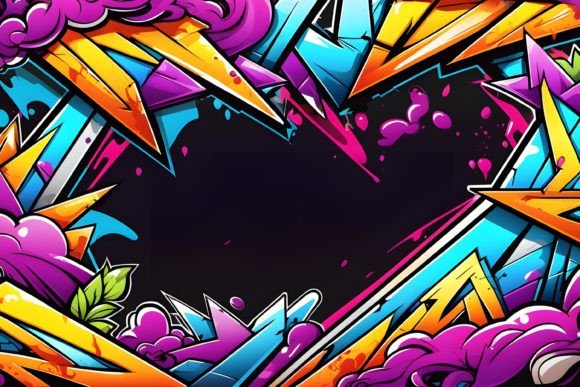
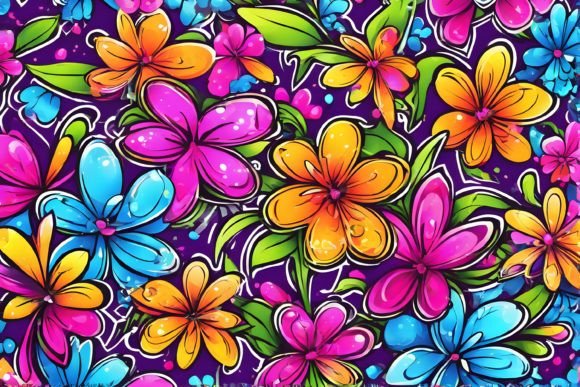
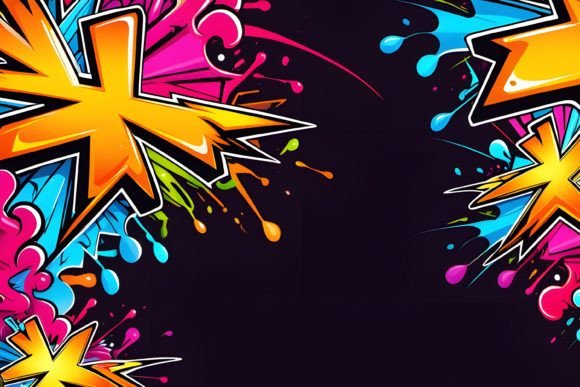
Designers and creators often hit a wall when trying to capture a specific vibe—specifically, the raw, electric energy of the urban landscape. You know the look: the textured concrete, the layered paint, and the chaotic yet organized beauty of street art. If you have been looking for a way to bring that gritty aesthetic into your digital work without spending hours on manual editing, the Graffiti Frame and Transform bundle is your solution. This isn't just a collection of random textures; it is a curated set of high-resolution assets designed to give your projects an immediate streetwise edge.
The Anatomy of the Urban Aesthetic
Understanding what makes this bundle effective starts with the technical details. We are dealing with a JPG file that boasts a generous resolution of 3000×2000 pixels. This size is critical because it ensures that your graphic design elements remain crisp, whether you are scaling them down for a mobile screen or blowing them up for a full-sized poster. With 300 DPI and RGB Color capabilities, the assets are optimized for both vibrant digital displays and high-quality physical printing. The visual character of the Graffiti Frame is defined by its authenticity. It captures the nuances of city street art, offering a backdrop that feels lived-in and genuine rather than sterile and generic.
For those working in branding, the psychology of this aesthetic is powerful. It suggests rebellion, creativity, youth, and a break from the corporate norm. However, the versatility of the Graffiti Frame allows it to adapt. It can serve as a bold background for a music festival poster, or it can be used subtly as a texture layer in a more subdued editorial design. Because the file includes a range of styles—from intricate murals to classic tags—it functions as a comprehensive toolkit for any creative font or layout you are developing.
Practical Applications for Designers and Entrepreneurs
The real value of any design asset lies in its utility. The Graffiti Frame is not limited to one niche; it bridges the gap between digital and physical products. If you are a small business owner looking to revamp your merchandise, these backgrounds are ready for production. Imagine the impact of a T-shirt, hoodie, or sweatshirt design that utilizes this gritty texture. The high resolution ensures that the ink lays down perfectly, maintaining the texture of the "wall" without becoming muddy.
For the digital space, the applications are just as broad. Content creators and social media managers can use these files to create scroll-stopping backgrounds for Instagram stories, YouTube thumbnails, or podcast covers. The urban style pairs exceptionally well with modern typography. When you overlay a clean sans serif font or a bold display font over the Graffiti Frame, you create a high-contrast visual hierarchy that is easy to read and aesthetically pleasing.
Here are specific ways you can integrate these assets into your workflow:
- Interior Decor & Wall Art: Use the files to create massive wall stickers or canvas prints for restaurants, studios, or sports clubs. The scale of the 3000x2000px file allows for large-format printing without pixelation.
- Packaging and Merchandise: Apply the texture to shopping bags, tote bags, mugs, and tumblers. It adds a tactile quality to the visual design that customers appreciate.
- Stationery and Office Supplies: Elevate standard items like notebooks, notepad covers, and greeting cards. A graffiti-style cover suggests that the ideas inside are creative and boundary-pushing.
- Digital Presentations: Break away from boring corporate slides. Using a subtle wash of the Graffiti Frame as a background element can make a pitch deck feel more innovative and engaging.
Integrating with Modern Typography
One of the most common challenges with complex backgrounds is ensuring that your text remains legible. The Graffiti Frame is designed with this in mind. While it offers visual complexity, the color variations (in the provided RGB spectrum) allow for strategic placement of text. This is where your choice of typeface becomes crucial.
If you are working on a logo design or a header for a web design project, consider pairing the background with a strong geometric sans serif font. The clean lines of the text will contrast sharply with the organic, spray-painted edges of the background, ensuring readability. Alternatively, if you are going for a more artistic vibe, a script font or handwritten font can mimic the human touch of the graffiti itself, creating a cohesive, hand-crafted look.
Evaluating Fit and Workflow Compatibility
Before downloading, it is helpful to evaluate how this asset fits your specific project needs. The Graffiti Frame bundle is compatible with popular design software like Adobe Photoshop, Illustrator, and Canva, meaning you don't need to overhaul your existing workflow to use it. It acts as a standard image layer that you can manipulate, mask, and blend.
When testing the fit for your brand identity, consider the "mood board" approach. Place the Graffiti Frame next to your primary logo and color palette. Does it overwhelm your brand colors, or does it make them pop? In many cases, urban textures work best as accent elements—perhaps as a footer on a website or a background for a specific product feature—rather than dominating the entire composition.
For those in editorial design or publishing, these backgrounds can serve as chapter dividers or full-bleed images for articles discussing culture, music, or modern trends. The key is to treat the background not just as filler, but as an active participant in the storytelling. It sets the scene before the reader even processes the first word of your headline.
Ultimately, the Graffiti Frame offers a way to tap into the energy of the streets without the legal risks or logistical hurdles of actual street art. It provides a professional, high-resolution canvas for your digital paintings, illustrations