Flower Graffiti Wallpaper: Merging Nature with Street Art
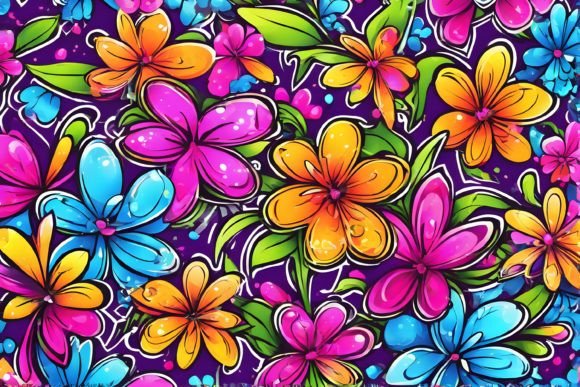
There is a unique energy that happens when the delicate beauty of botanical illustration collides with the raw, textured edge of urban street art. This is the essence of Flower Graffiti Wallpaper. It is not just a background; it is a visual statement that combines the organic curves of nature with the spray-paint grit of the city. For designers and entrepreneurs looking to inject personality into their work, this style offers a bridge between soft aesthetics and bold, modern typography vibes. It captures a specific mood—vibrant, rebellious, yet inherently beautiful—that standard stock photos simply cannot replicate.
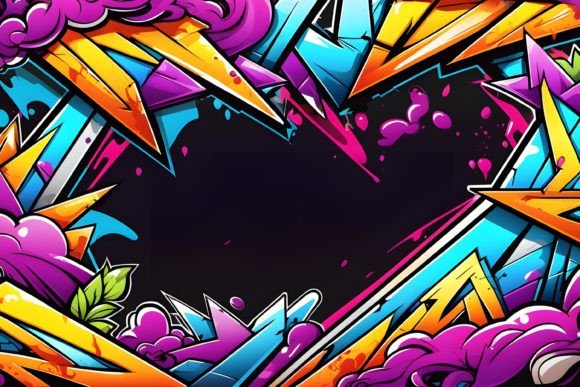
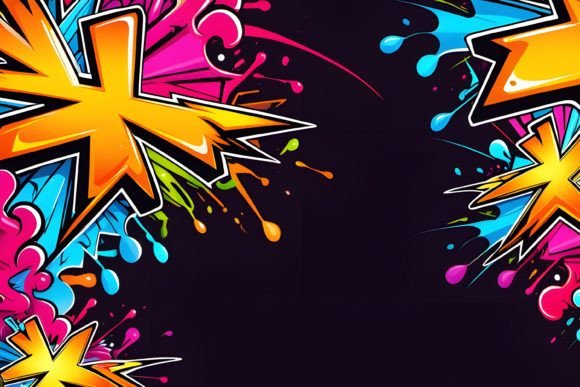
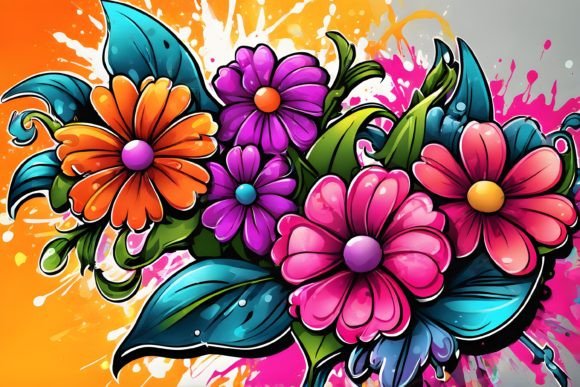
The visual characteristics of this design asset are distinct. You will typically find layers of texture, blending spray paint effects with high-contrast floral elements. The "personality" of Flower Graffiti Wallpaper is unapologetic. It speaks to a younger, dynamic audience but retains enough sophistication for high-end branding. Unlike a clean vector graphic, this style carries the imperfections of street art—drips, overspray, and grain—which add a layer of authenticity. It functions as a powerful design asset because it fills the space with visual interest without needing complex supporting elements. It stands alone as a statement piece, making it a favorite for creative professionals who want to make an immediate impact.
Strategic Applications for Modern Creators
Understanding where to deploy this specific style is key to its success. While it works beautifully as a digital background for websites or social media headers, its application extends far beyond the screen. In the realm of packaging design, for instance, using Flower Graffiti Wallpaper can turn a mundane product box into a shelf standout. It is particularly effective for lifestyle brands, streetwear, or beauty products that want to project an image of edgy freshness.
Consider the physical applications mentioned in the file details. With a resolution of 3000x2000 px at 300 DPI, this asset is built for print. This makes it ideal for:
- Home and Commercial Decor: Use it for wall stickers in a trendy coffee shop, a studio, or a teenager’s bedroom. The high resolution ensures that even on large wall spaces, the image remains crisp and vibrant.
- Apparel and Merchandise: The design translates exceptionally well to T-shirts, hoodies, and tote bags. The RGB color profile ensures the colors pop on screen, but for direct-to-garment (DTG) printing, it often converts well to CMYK, maintaining the saturation needed for fashion items.
- Editorial and Publishing: For bloggers and publishers, this background adds instant depth to magazine covers or newsletter headers. It provides a rich, textured backdrop that makes overlaying white text or logos easy, ensuring strong readability.
The Psychology of Texture in Brand Identity
When you choose a creative font or a background for a project, you are making a psychological promise to your audience. Clean, sterile lines suggest corporate efficiency, but Flower Graffiti Wallpaper suggests creativity, growth, and a break from the norm. For small business owners and entrepreneurs, this can be a powerful tool for brand identity.
Using this style in your marketing materials signals that your brand is approachable yet bold. It works exceptionally well for businesses in the fitness, music, or artistic sectors. However, it requires balance. If you are designing a presentation for a conservative financial firm, this might be too loud. But for a startup pitch or a creative portfolio, it establishes a memorable visual hierarchy. The texture draws the eye, allowing you to control exactly where the viewer looks first.
Practical Design Workflow and Integration
One of the most common pitfalls with complex backgrounds is clashing with the foreground elements. As a designer, you need to ensure that your main content—whether it is a logo, a call-to-action button, or body text—doesn't get lost in the visual noise.
Here are practical steps for integrating this asset effectively:
- Contrast Management: The graffiti elements are often dark or multi-colored. If you are placing text over Flower Graffiti Wallpaper, ensure you use high-contrast colors (like stark white or deep black) or apply a slight vignette or overlay to the background to create a "safe zone" for readability.
- Font Pairing: Because the background is decorative, your typography needs to be grounded. Avoid overly ornate script fonts or handwritten fonts that might get tangled in the floral details. Instead, opt for a sturdy sans serif font or a clean modern typography style. The contrast between a rigid typeface and the organic background creates a professional tension that looks intentional.
- Cropping for Focus: Don't feel obligated to use the whole image. Because the resolution is so high, you can crop in tight on specific floral elements to create a new texture, or zoom out to use the full city-street scale. This versatility allows one asset to serve multiple mockups.
Technical Precision for Professional Results
While the aesthetic is wild and free, the technical execution of your project must be precise. The file details—JPG, 300 DPI, RGB—are standard for high-end digital work, but they require attention to detail during the production phase.
If you are moving from digital to physical print, such as creating a notebook cover or wrapping paper, remember that screens emit light (RGB) while paper reflects it (CMYK). The vibrant pinks and greens of the Flower Graffiti Wallpaper may shift slightly when converted for offset printing. Always request a proof if possible.
Furthermore, consider the licensing. While the asset is versatile, ensure your usage aligns with the provided license, especially for high-volume commercial items like mass-produced apparel or merchandise. For digital creators, the compatibility with popular design software means you can easily adjust levels, saturation, or hue to match specific client color palettes without degrading the image quality.
Ultimately, Flower Graffiti Wallpaper is more than just a decorative element. It is a tool for storytelling. It allows designers to set a scene instantly, combining the familiarity of nature with the excitement of the streets. Whether you are refreshing a social media profile, designing a bold new logo, or printing a limited run of tote bags, this asset provides the visual weight needed to make your work stand out in a crowded marketplace.