Unlocking Design Potential with Abstract Geometric Vector Patterns
Understanding the Visual Language of Geometry
At its core, an abstract geometric vector pattern is a collection of shapes—circles, triangles, squares, polygons, and freeform lines—arranged to create a harmonious, repeating or non-repeating composition. The "vector" aspect is critical, meaning the artwork is built from mathematical paths rather than pixels. This allows it to be scaled to any size without losing a shred of clarity, from a tiny icon on a website to a massive building wrap. The aesthetic can range from minimalist and clean, using simple shapes and ample whitespace, to complex and dense, with intricate layering and overlapping forms. The personality of these patterns often leans towards modern, sophisticated, and orderly, but it can also feel playful, dynamic, or even retro depending on the color palette and arrangement.
The appeal lies in its inherent versatility and neutrality. A well-designed abstract geometric pattern doesn't scream a specific message like a literal illustration might. Instead, it provides a structured visual texture that can support and elevate other design elements. It adds visual interest without overwhelming content, creates a sense of order and precision, and can be adapted to fit virtually any brand's color scheme. This makes it a foundational design asset for professionals who need reliable, adaptable backdrops.
Where Geometric Patterns Create Impact
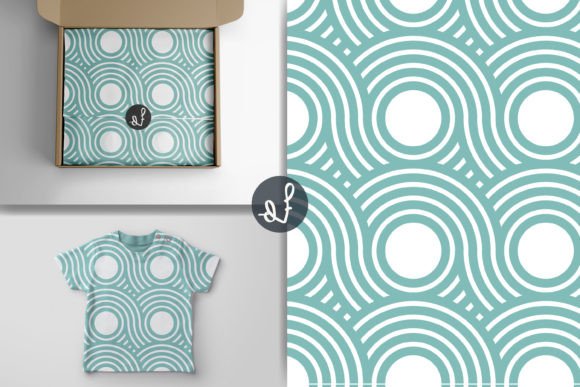
The applications for a high-quality abstract geometric vector pattern are nearly limitless across industries. In branding and identity, these patterns serve as powerful secondary visual elements. Imagine a sleek pattern derived from a logo's core shapes, used consistently on business cards, letterheads, and presentation folders. This reinforces brand recognition in a subtle, professional way. For packaging design, a geometric pattern can transform a simple box or label into something premium and shelf-ready, conveying a sense of modernity and care.
In the digital realm, these patterns excel as backgrounds for websites, app interfaces, and social media graphics. They provide depth and context without distracting from the primary call-to-action or message. For publishers and content creators, they make excellent cover designs for reports, e-books, and magazines, or as decorative elements in editorial layouts. The textile and fashion industries leverage these patterns for clothing prints, fabric wrapping, and wallpaper, where the seamless tiling capability ensures a flawless finish. Even for personal projects like invitations, greeting cards, or home decor crafts, a geometric pattern adds a layer of custom sophistication that feels intentional and designed.
Practical Guidance for Choosing and Using Your Pattern
Selecting the right abstract geometric vector pattern for your project involves more than just picking something that looks nice. First, consider the project's tone. A pattern with sharp angles and high contrast might suit a tech startup or a fitness brand, conveying energy and precision. Softer curves and muted tones could better serve a wellness or luxury brand. Always evaluate the included file formats. A premium design asset should come in editable vector formats like AI and EPS, which allow for unlimited color variations and resizing. Layered files are a huge advantage, giving you control to isolate and modify individual elements within the pattern.
Testing is a non-negotiable step. Before finalizing, see how the pattern interacts with your typography, imagery, and overall layout. Does it create enough contrast for text to remain readable? Does it compete with your main visual elements or support them? A good pattern should enhance visual hierarchy, not destroy it. When using it for commercial purposes, always verify the licensing. Ensure the license covers your intended use, whether it's for a client's logo, a product for sale, or digital marketing materials. A truly professional asset will provide clear, permissive commercial licensing, giving you the freedom to use the pattern across all your projects confidently.
Think of these patterns as a versatile tool in your design toolkit. They are not a substitute for strong foundational design principles like typography and layout, but rather a powerful enhancer. By choosing a well-crafted, editable abstract geometric vector pattern, you invest in a design asset that can grow and adapt with your projects, providing a consistent thread of professionalism and modern appeal across all your creative endeavors.